

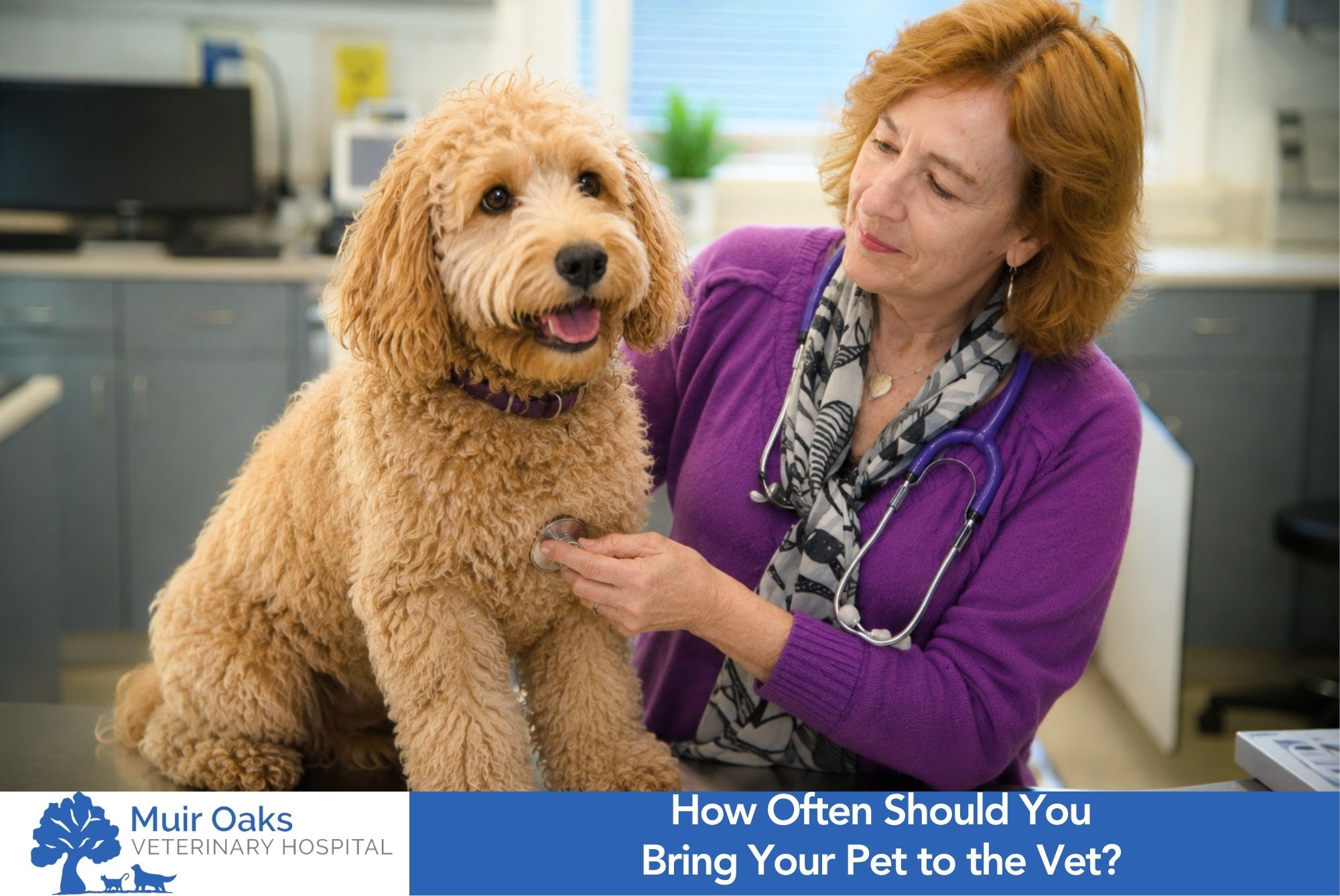
 As a loving pet owner, you want your furry family member to live a long, healthy, and happy life. One of the most important ways to support your pet’s health is by scheduling regular veterinary visits. Routine exams help detect health issues early, keep vaccinations up to date, and ensure your pet receives preventive care tailored to their age, breed, and lifestyle.
At Muir Oaks Veterinary Hospital in Martinez, CA, we believe preventive veterinary care is the foundation of lifelong wellness for pets. But many pet owners wonder: How often should you actually bring your pet to the vet? The answer depends on several factors, including your pet’s age, overall health, and specific medical needs.
In this guide, we’ll break down recommended veterinary visit schedules for puppies, kittens, adult pets, and senior companions so you can keep your beloved pet thriving at every stage of life.
Why Regular Veterinary Visits Matter
Routine veterinary exams are about much more than vaccinations. During wellness visits, your veterinarian can:
- Monitor your pet’s weight and nutrition
- Detect early signs of illness or disease
- Check dental health
- Evaluate mobility and joint health
- Recommend parasite prevention
- Update vaccines
- Perform diagnostic screenings
- Discuss behavior concerns
- Offer personalized wellness recommendations
Many health conditions—including diabetes, arthritis, kidney disease, heart disease, and cancer—can progress silently before symptoms appear. Regular checkups help catch issues early when they are often easier and less expensive to treat.
Veterinary Visit Guidelines by Life Stage
Puppies and Kittens: Every 3–4 Weeks Until About 16 Weeks Old
Young pets require frequent veterinary care during their first few months of life. Puppies and kittens have developing immune systems and need a series of vaccinations and wellness checks to ensure proper growth.
During these visits, your veterinarian may:
- Administer core vaccines
- Check growth and development
- Perform fecal testing
- Discuss nutrition
- Start parasite prevention
- Address socialization and behavior
- Recommend spaying or neutering timelines
Common Vaccines for Puppies
- Distemper
- Parvovirus
- Rabies
- Bordetella
- Leptospirosis
Common Vaccines for Kittens
- FVRCP
- Rabies
- Feline leukemia (FeLV)
Frequent visits during this stage help build a strong foundation for lifelong health.
Adult Dogs and Cats: At Least Once Per Year
Healthy adult pets typically benefit from annual wellness exams. Even if your pet appears healthy, yearly visits are essential for maintaining preventive care and identifying subtle changes in health.
Annual exams often include:
- Full physical examination
- Vaccine boosters
- Heartworm testing
- Bloodwork
- Dental evaluations
- Weight management guidance
- Flea and tick prevention
Because pets age faster than humans, skipping yearly veterinary visits can allow health problems to develop unnoticed.
Indoor Cats Still Need Veterinary Care
A common misconception is that indoor cats don’t need regular vet visits. However, indoor cats can still develop:
- Dental disease
- Obesity
- Arthritis
- Diabetes
- Kidney disease
Routine exams are especially important because cats often hide signs of illness until conditions become advanced.
Senior Pets: Every 6 Months
Senior pets typically require more frequent monitoring as they age. Dogs and cats are generally considered seniors around:
- Age 7 for many dogs
- Age 10 for many cats
- Earlier for large dog breeds
Since aging pets are more susceptible to chronic diseases, twice-yearly wellness exams are strongly recommended.
Senior pet visits may include:
- Comprehensive bloodwork
- Urinalysis
- Blood pressure monitoring
- Arthritis evaluations
- Vision and hearing assessments
- Nutritional adjustments
- Pain management discussions
Early detection can significantly improve your pet’s comfort and quality of life.
Signs Your Pet Should See a Vet Sooner
Even if your pet recently had a wellness exam, you should schedule an appointment if you notice any unusual symptoms.
Watch for Signs Such As:
- Loss of appetite
- Vomiting or diarrhea
- Excessive thirst
- Weight loss or gain
- Difficulty walking
- Persistent coughing
- Changes in behavior
- Bad breath
- Lethargy
- Skin irritation
- Trouble urinating
Pets can’t tell us when something is wrong, so paying attention to behavioral or physical changes is extremely important.
Preventive Care Saves Money Long-Term
Some pet owners postpone veterinary visits due to cost concerns, but preventive care is often much more affordable than emergency treatment.
Routine wellness care can help:
- Prevent serious illnesses
- Avoid costly emergency procedures
- Reduce long-term medication needs
- Improve your pet’s quality of life
- Extend lifespan
For example, detecting dental disease early can prevent painful infections and expensive tooth extractions later.
The Importance of Dental Checkups
Dental health is frequently overlooked but plays a major role in your pet’s overall wellness.
By age three, many pets already show signs of periodontal disease. Untreated dental problems can lead to:
- Pain
- Tooth loss
- Infection
- Heart disease
- Kidney complications
Your veterinarian can evaluate your pet’s oral health during routine exams and recommend professional cleanings when needed.
Vaccinations and Parasite Prevention
Routine veterinary visits help ensure your pet stays protected from contagious diseases and parasites.
Preventive Care May Include:
- Rabies vaccines
- Distemper vaccines
- Heartworm prevention
- Flea and tick prevention
- Intestinal parasite screening
Your veterinarian will customize recommendations based on your pet’s lifestyle and risk factors.
How Often Should Exotic Pets See a Vet?
Small mammals, birds, and reptiles also require regular veterinary care. Exotic pets are skilled at hiding illness, making routine wellness exams especially important.
Depending on the species, most exotic pets should see a veterinarian at least once annually—or more frequently if recommended.
Building a Relationship With Your Veterinarian
Routine veterinary visits also help your pet become comfortable with the veterinary environment. Establishing trust with your veterinary team can reduce stress during appointments and make future care easier.
At Muir Oaks Veterinary Hospital, our compassionate team is committed to building lifelong relationships with pets and their families throughout Martinez and surrounding communities.
Comprehensive Q&A Section
Q: How often should healthy dogs go to the vet?
Healthy adult dogs should generally visit the veterinarian once per year for a wellness exam. Senior dogs or dogs with medical conditions may need exams every six months.
Q: How often should cats see the vet?
Adult cats should typically see the vet annually, while senior cats often benefit from twice-yearly visits.
Q: Do indoor cats really need annual checkups?
Yes. Indoor cats can still develop health problems like obesity, dental disease, diabetes, and kidney disease.
Q: How often do puppies need vet visits?
Puppies usually need veterinary visits every 3–4 weeks until they are approximately 16 weeks old for vaccinations and developmental monitoring.
Q: What happens during a pet wellness exam?
A wellness exam may include a physical exam, vaccine updates, bloodwork, parasite screening, dental evaluation, and discussions about nutrition and behavior.
Q: When is a pet considered a senior?
This varies by breed and species, but many dogs are considered seniors around age 7, while cats often become seniors around age 10.
Q: Why are regular vet visits important?
Routine exams help detect diseases early, maintain vaccinations, manage chronic conditions, and support overall health and longevity.
Q: Can regular vet visits help save money?
Yes. Preventive care often helps avoid costly emergency treatments and advanced medical conditions.
Q: What are signs my pet should see a vet immediately?
Signs include vomiting, diarrhea, breathing difficulties, sudden lethargy, loss of appetite, seizures, and trouble urinating.
Q: How often should pets have dental cleanings?
The frequency varies depending on your pet’s breed, age, and oral health. Your veterinarian can recommend an appropriate dental care schedule.
Schedule Your Pet’s Wellness Visit Today
Regular veterinary care is one of the greatest gifts you can give your pet. Whether you have a playful puppy, a curious kitten, or a beloved senior companion, routine checkups help ensure a healthier and happier life.
The caring team at Muir Oaks Veterinary Hospital proudly provides comprehensive preventive care for pets in Martinez, CA, and nearby communities. We’re here to help your pet thrive through every stage of life.
Contact Information
Muir Oaks Veterinary Hospital
1180 Muir Rd.
Martinez, CA 94553
Call or Text Us: (925) 372-9200
After Hours Emergency: Sage Veterinary Center: (925) 627-7243
Website: muiroaksvet.com
Book An Appointment: https://muiroaksvet.com/appointment/